
Biodynamic coffee
We treat the whole farm as one connected network of plants, animals, soil and climate. Natural preparations such as compost teas and minerals give our beans a depth of flavour that coffee lovers notice.

Organic, single-estate coffee from our own farms. Arabica, Robusta and Liberica, with ten ways to process them, from classic naturals to experimental ferments. One standard throughout: the finest organic coffee we can grow.
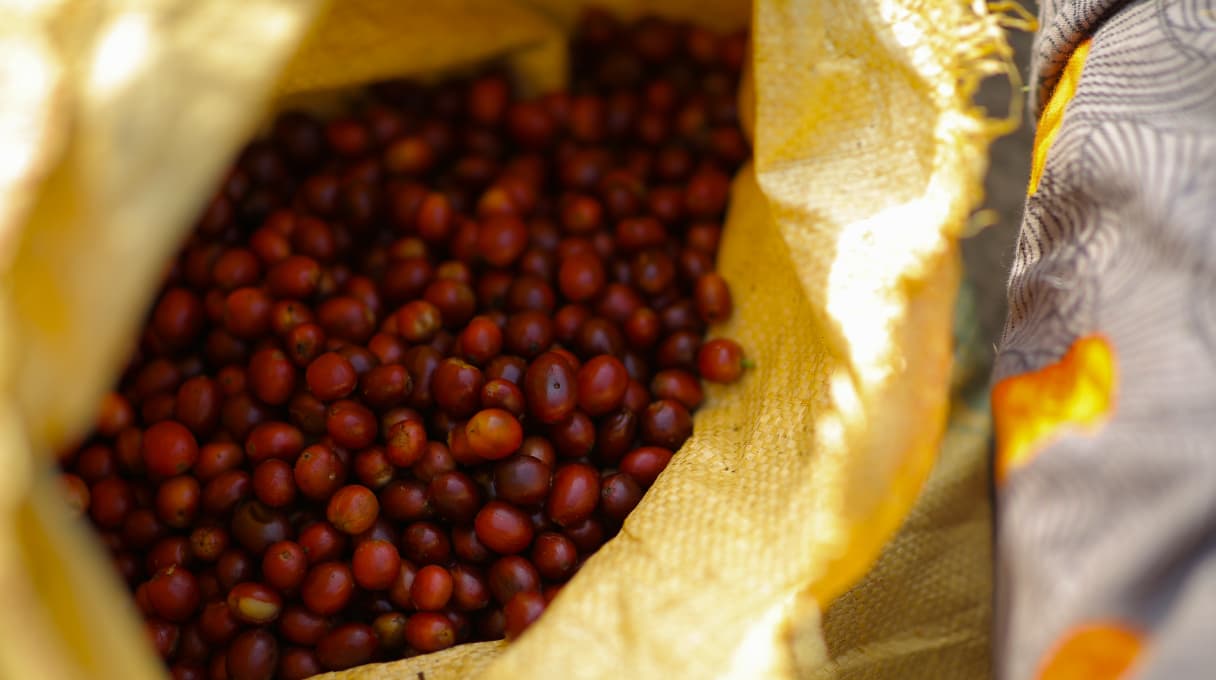
One of the most premium and loved coffees in the world, Arabica is prized for its clarity, sweetness and layered aroma.
Ours grows slowly at high altitude, under deep shade and generous monsoon rain. The result is a cup that wins you over at the very first sip.
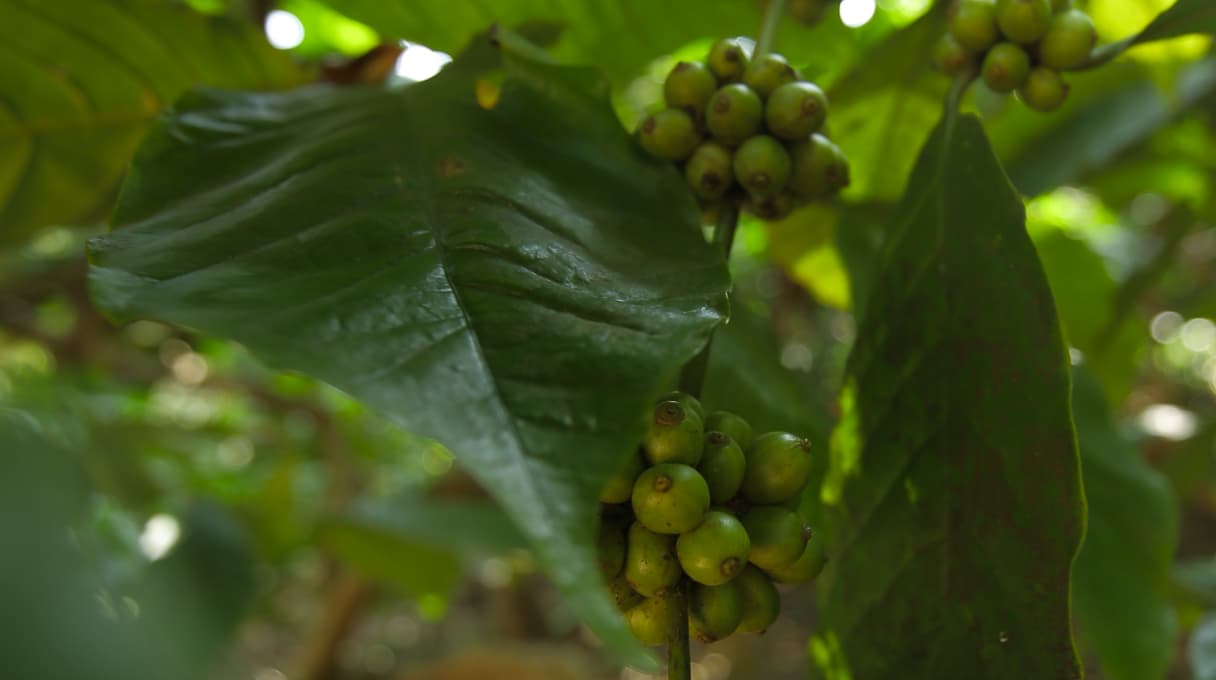
True to its name, Robusta is hardy and naturally resistant to disease, thriving in warm climates with uneven rainfall.
It carries about twice the caffeine of Arabica, a smooth, full body and a gentle chocolate undertone that makes it a perfect partner for milk.
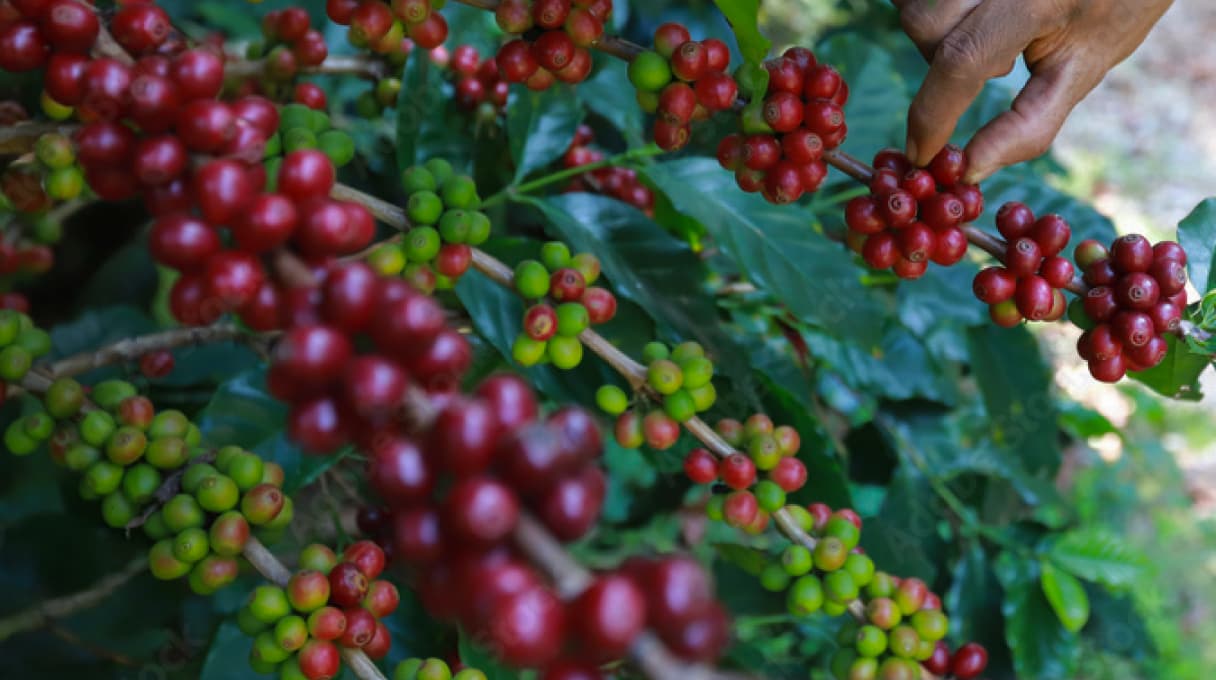
As rare as it is distinctive. Liberica beans are large and unique in shape, with an aroma that is smoky, fruity and floral all at once.
A coffee for roasters who want something truly different on their menu.
Every bean starts on our own estates, where the farm is treated as one living system.
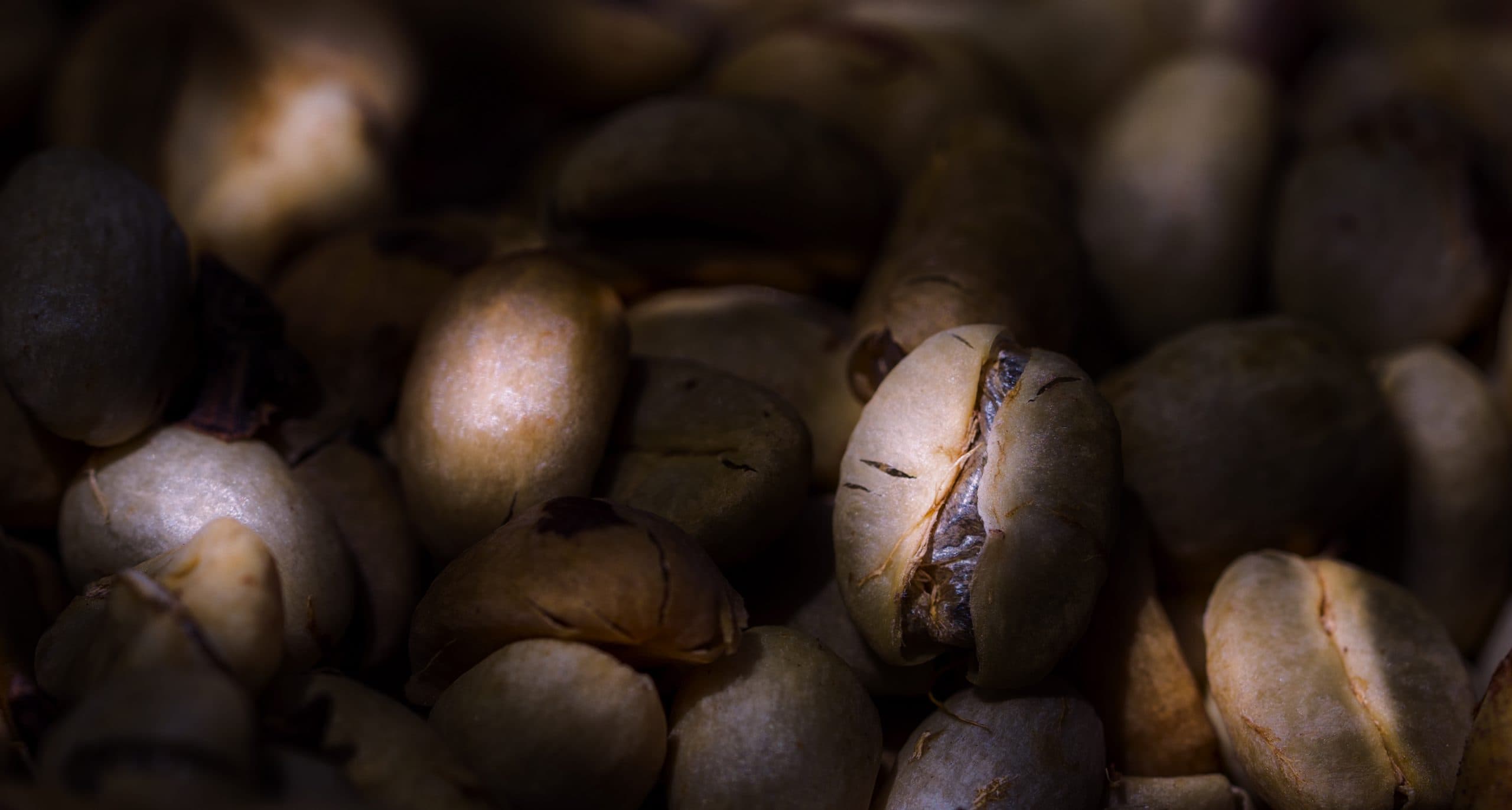
We treat the whole farm as one connected network of plants, animals, soil and climate. Natural preparations such as compost teas and minerals give our beans a depth of flavour that coffee lovers notice.
No synthetic fertilisers or pesticides. Instead we use organic compost, intercropping and helpful insects. Grown to strict certification standards, organic means better quality and a healthier planet.
Beans grown in the same soil, under the same shade trees, at the same altitude. That shared origin gives each lot its own clear character in flavour, texture and aroma.
Our coffee grows under a living forest canopy instead of cleared land. The trees shelter native and migratory birds, protect against deforestation and keep the whole ecosystem in balance.
Hand-picked at peak ripeness, carefully sorted and cupped by our own Q graders. Every step is checked so the coffee in your cup shows distinct flavours, aromas and complexity.
How a coffee is processed shapes its taste as much as where it grows. At our origins we offer a wide range of methods, so you can pick the exact cup profile you want.
Three traditional methods, seven experimental ones.
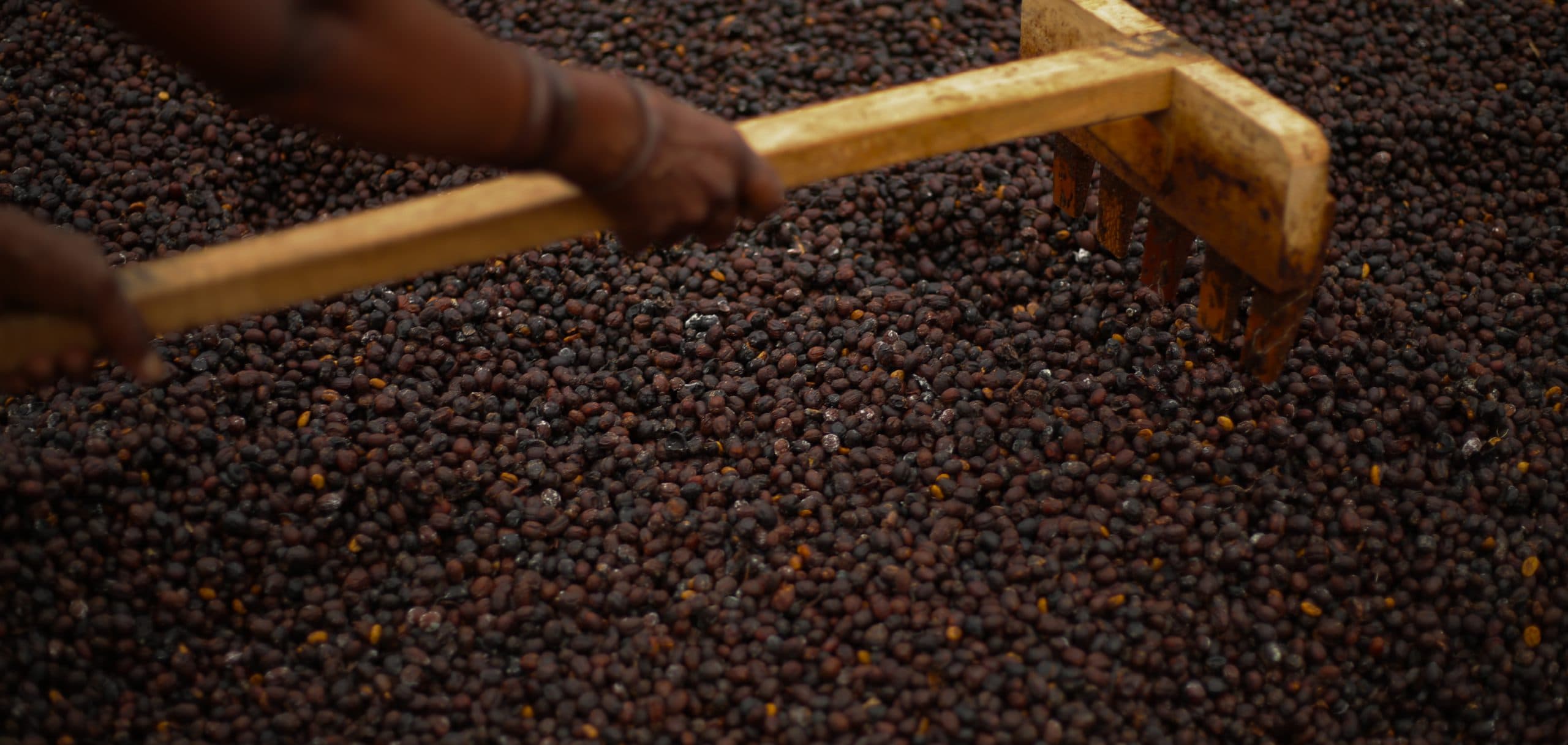
Ripe cherries dry in the sun with skin and fruit still on. As they dry they ferment gently, giving a sweet, fruity cup.

Skin and fruit are removed and the beans are washed clean. The result is a clean, bright and lively cup.
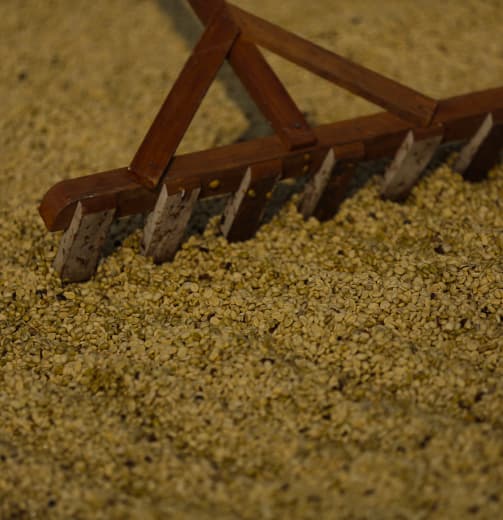
Like the washed method, but some of the sticky fruit layer is left on the bean. Expect more sweetness and complexity.
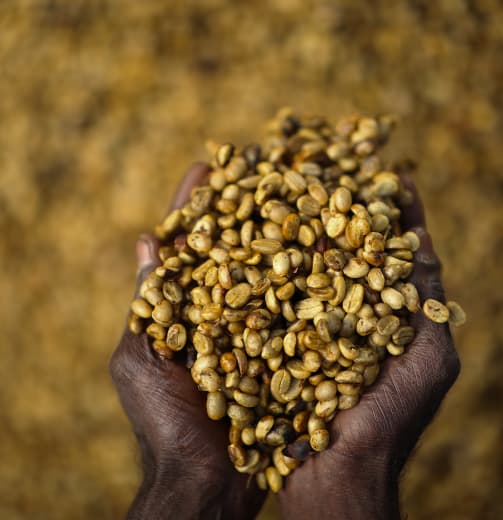
Cherries ferment in sealed tanks without oxygen, in a carefully controlled setting. Expect a distinct, fruit-forward cup.
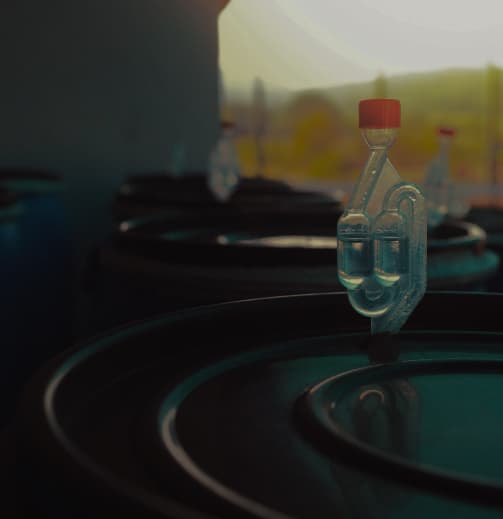
Cherries ferment under pressure in tanks filled with carbon dioxide, a technique borrowed from winemaking. Fruity and wine-like.
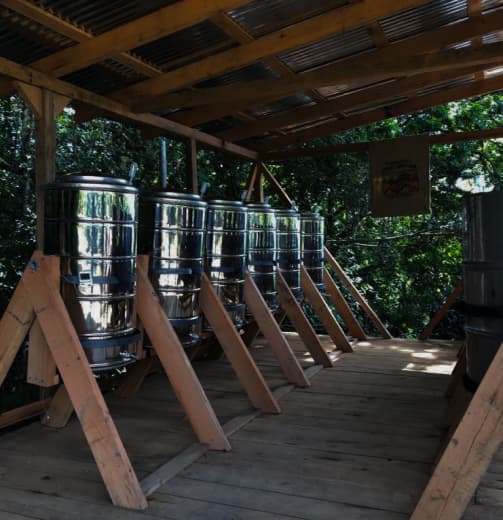
Selected yeast strains are added during fermentation to build a more complex, fruit-forward profile.
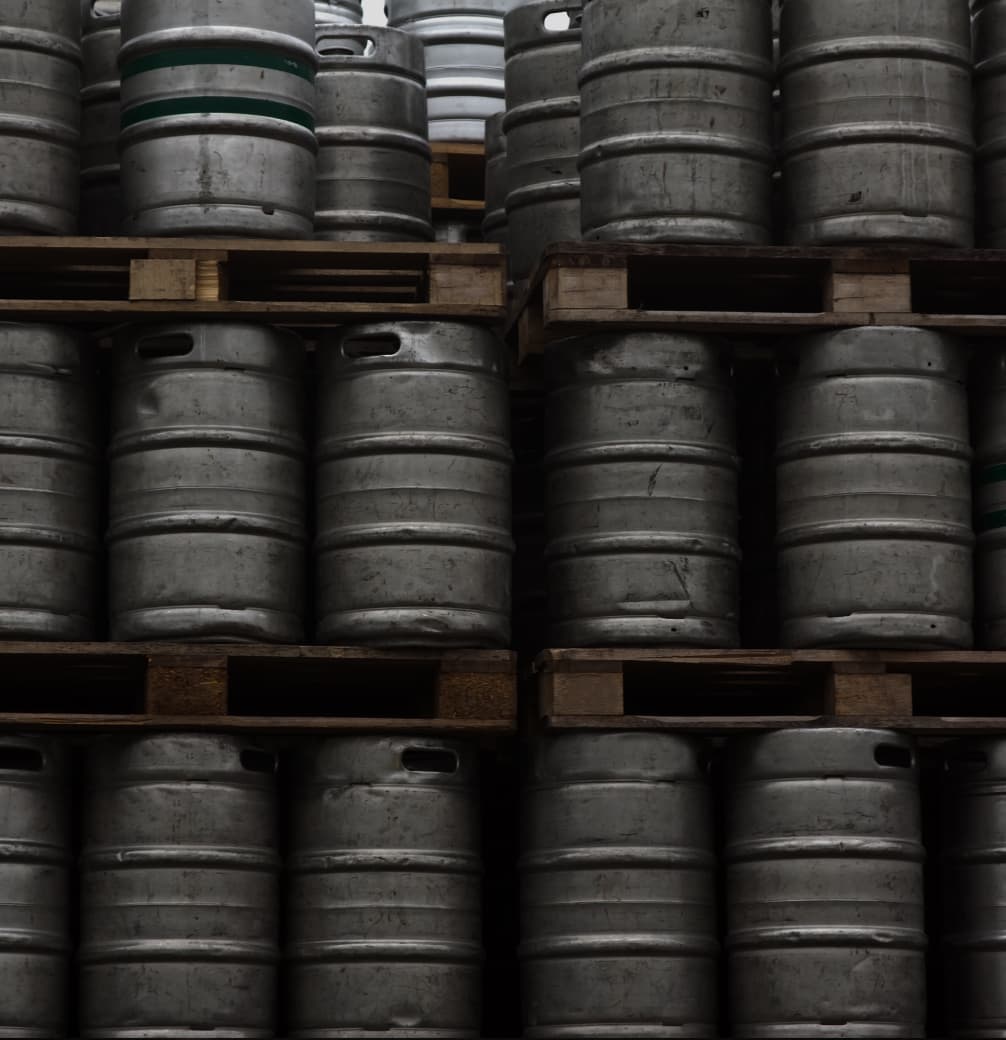
Coffee cherries ferment alongside fruits such as pineapple, mango or passion fruit for a vivid, tropical cup.
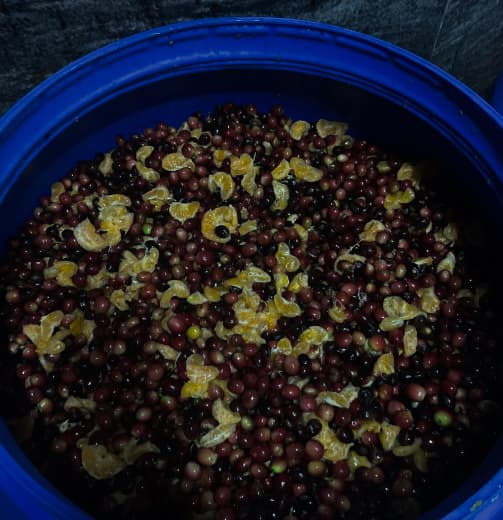
Koji, the same culture used for sake and miso, ferments the beans for a sweet and nutty character.
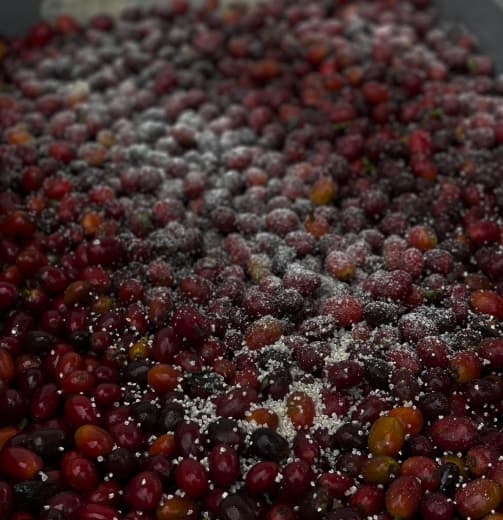
Cherries are frozen before fermentation, locking in sweetness for a fruity, rounded cup.
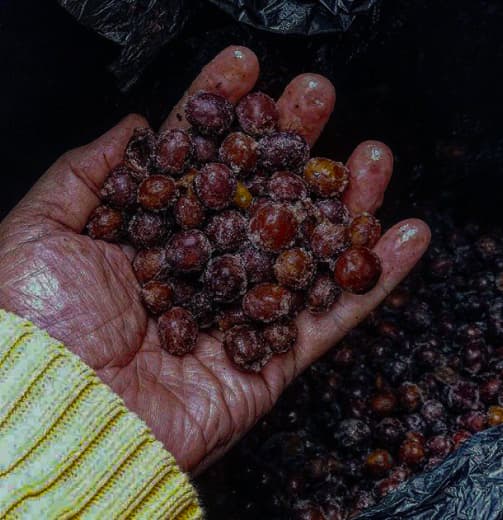
Cherries ferment in their own juice using a winemaking approach, creating a complex, wine-like cup.

Every lot comes from our own certified estates and is cupped in-house by Q graders before it is offered to you.


A few taps. We reply by email.


